September 22, 2026
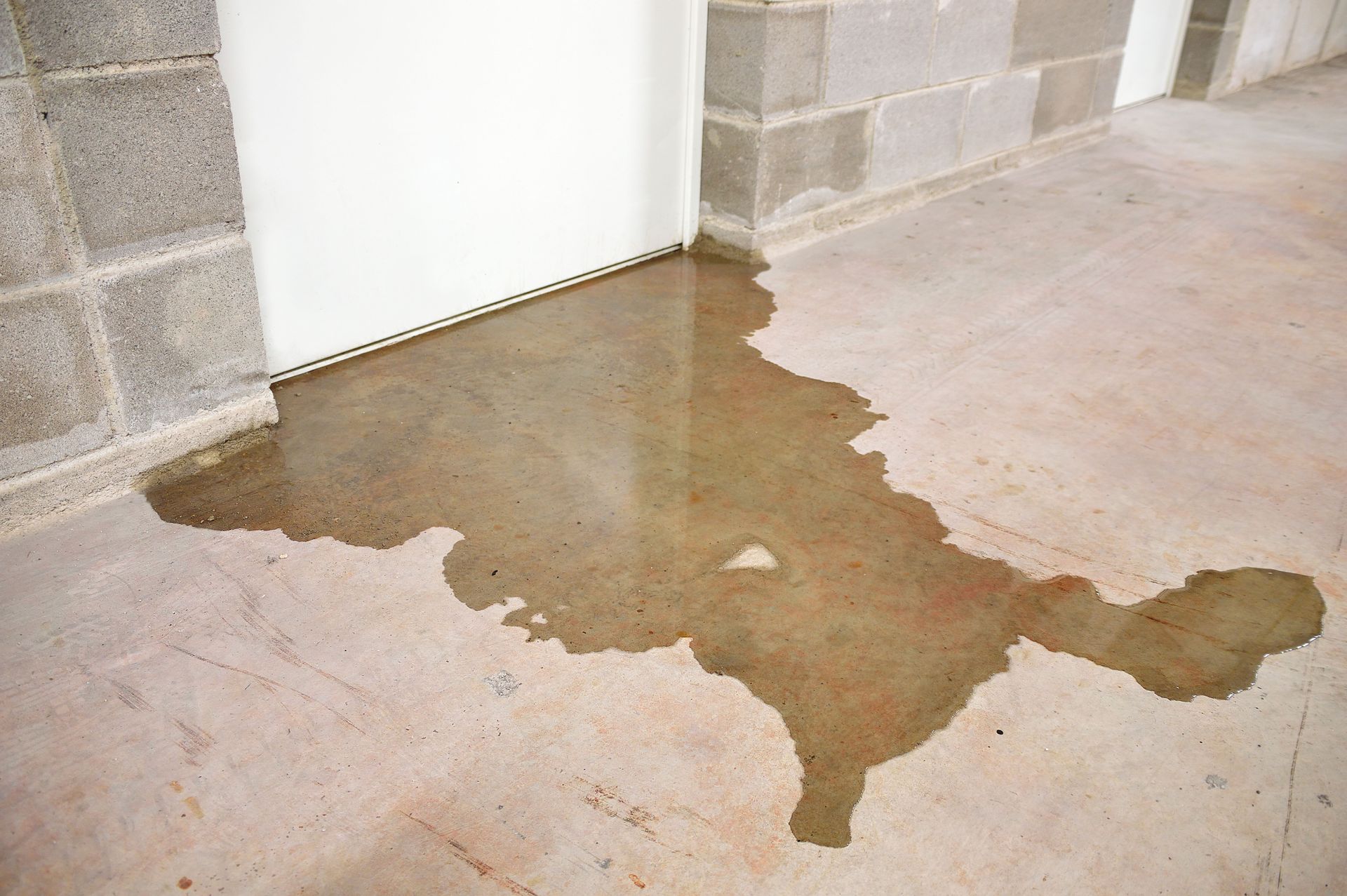
Basement water damage is not always immediately obvious. While standing water after a heavy storm is an unmistakable warning sign, smaller indicators can point to moisture problems before they become severe. Recognizing these signs early can give homeowners an opportunity to address the source before extensive damage occurs.
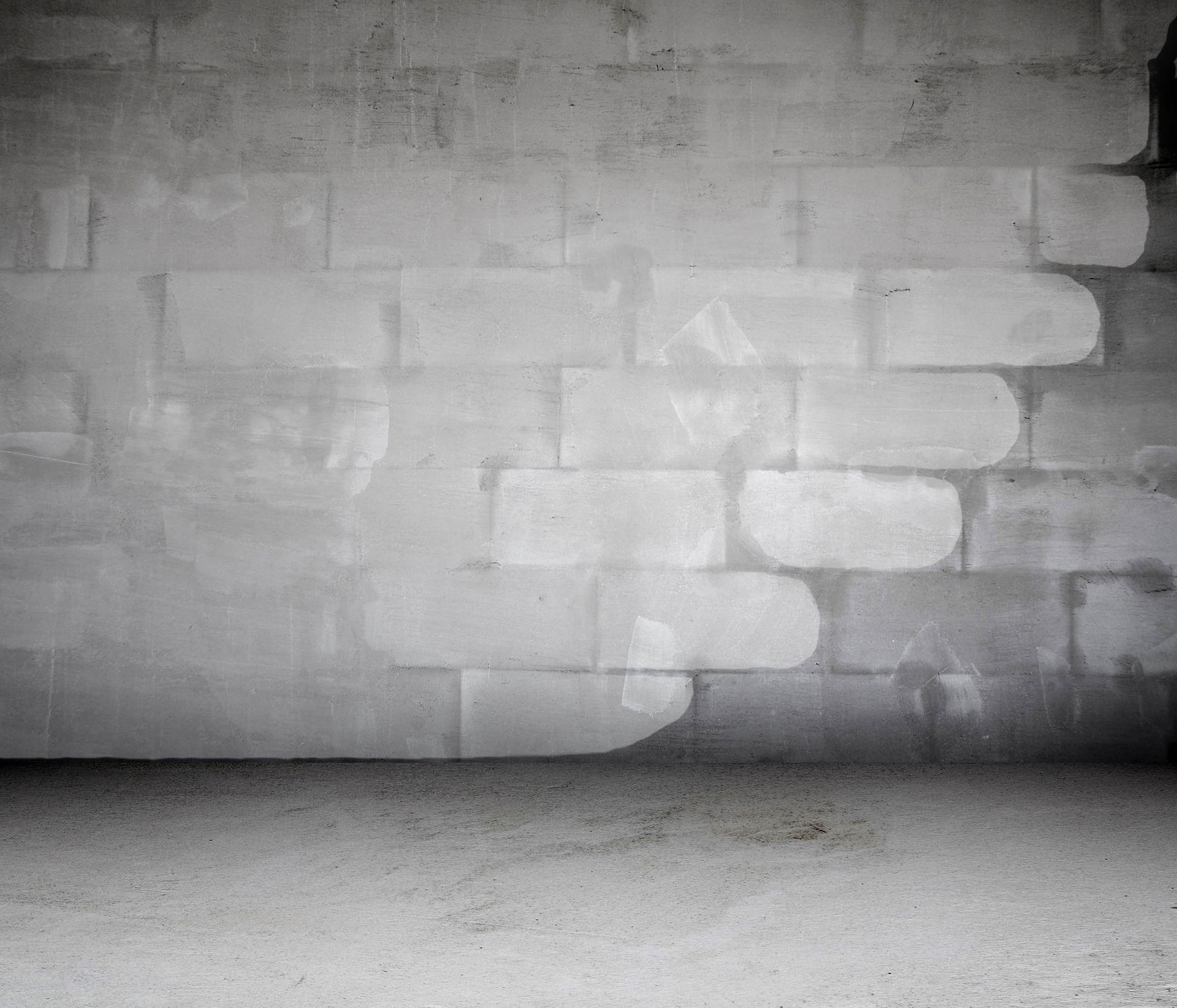
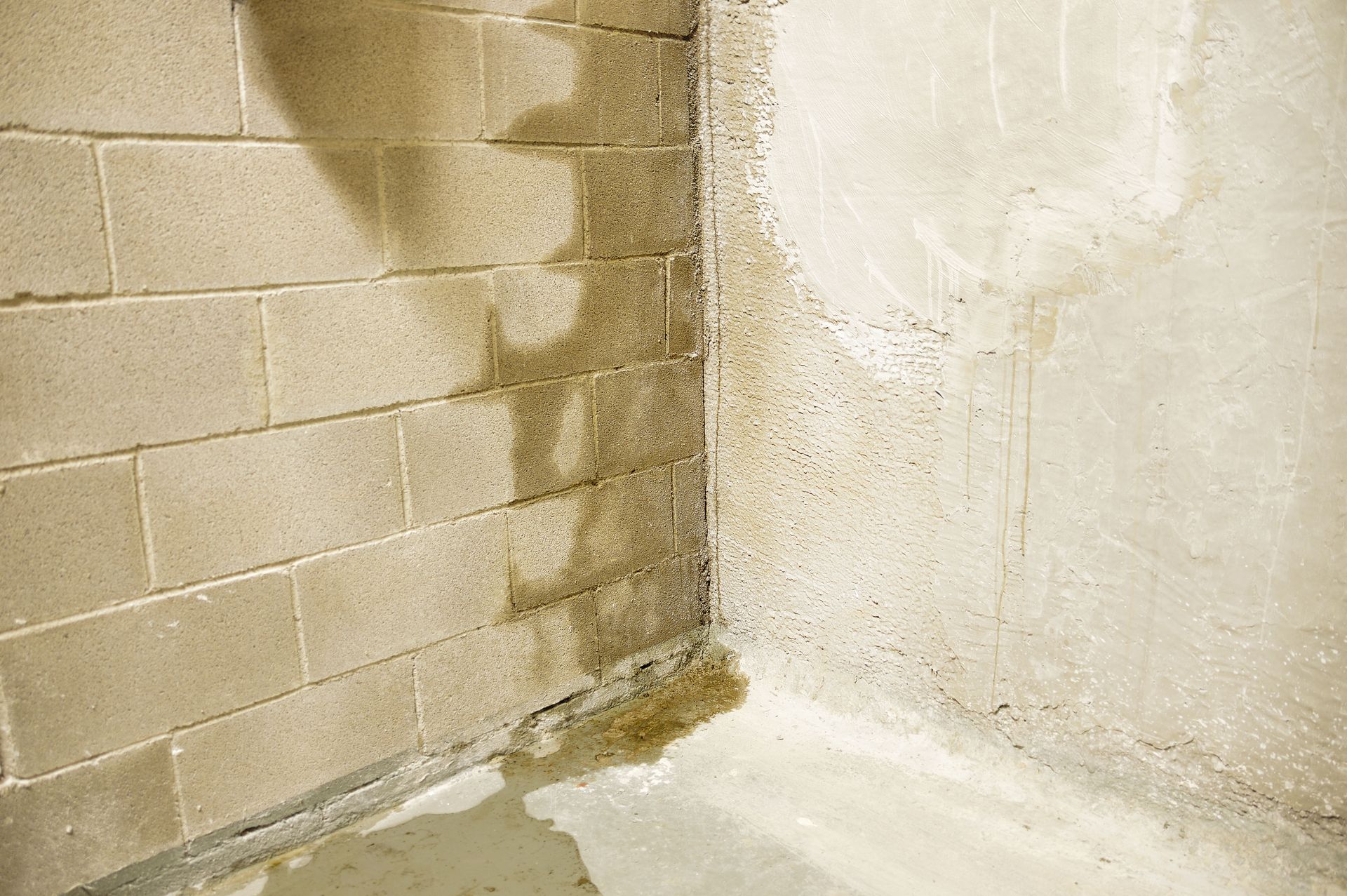
Water stains on walls or floors are among the most common indications. These may appear as dark or discolored patches, particularly around foundation cracks, windows, or areas where plumbing enters the basement. White, chalky deposits called efflorescence can also develop when moisture moves through masonry and leaves mineral deposits behind.
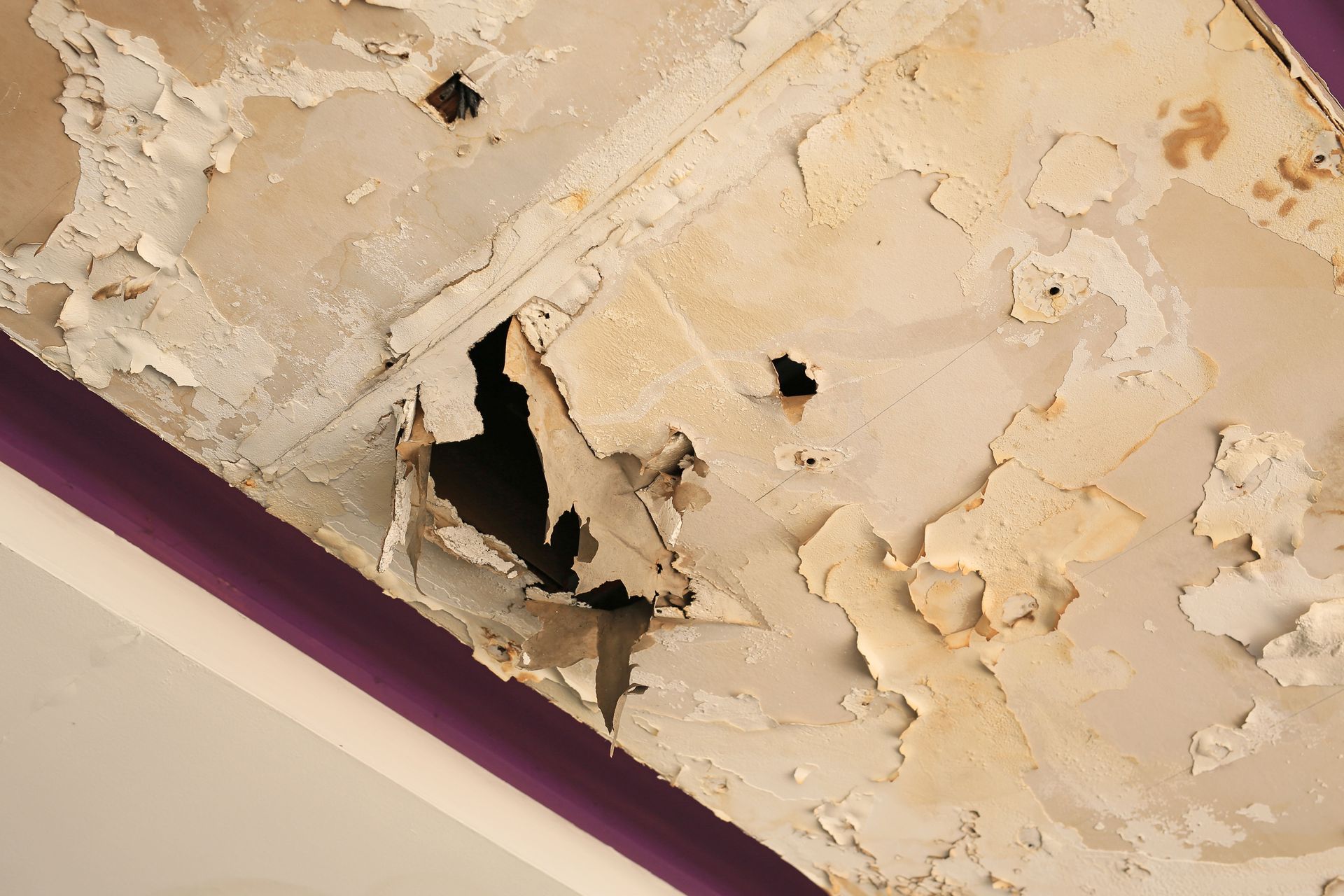
Musty odors are another potential warning sign. Persistent damp smells can indicate excessive moisture even when visible water is absent. Peeling paint, bubbling flooring, warped materials, and deteriorating drywall may also suggest that water has been entering the basement.
Mold and mildew growth deserve particular attention. These organisms thrive in damp environments and can continue developing if the underlying moisture problem is not corrected. When several of these warning signs appear together, it may be time to consider a professional basement waterproofing service.
How Do I Know if I Need a Professional Basement Waterproofing Service?
Not every instance of basement moisture requires an extensive waterproofing project. Occasional condensation, for example, may be related to humidity and could potentially be improved with better ventilation or a dehumidifier. However, recurring water intrusion is a different matter.
Homeowners should consider professional assistance when water repeatedly enters through foundation walls or floors, particularly after rain or snowmelt. Cracks that allow water to seep inside can also indicate a problem that requires more than a surface-level repair.
A professional can determine whether the water is coming from groundwater, hydrostatic pressure, poor exterior drainage, foundation cracks, or another source. This distinction matters because simply sealing the visible location where water appears may not resolve the underlying problem.
A basement waterproofing service can evaluate the basement and surrounding property before recommending a solution. Depending on the circumstances, the work could involve improving grading and downspouts, sealing cracks, installing interior drainage, adding a sump pump, or waterproofing exterior foundation walls.
What Are the Risks of Ignoring a Leaky Basement?
Ignoring basement water intrusion can allow a relatively manageable problem to become considerably more expensive. Repeated exposure to moisture can damage drywall, insulation, flooring, wood framing, stored possessions, and other materials throughout the basement.
Moisture can also contribute to mold and mildew growth. Even when the amount of water entering the basement seems relatively small, persistent dampness can create an environment where these problems become more likely.
There can also be concerns involving the foundation. Water itself does not automatically mean that a foundation is failing, but prolonged moisture exposure and hydrostatic pressure can contribute to problems in certain circumstances. Cracks may become pathways for additional water, while freeze-thaw cycles can worsen some exterior masonry issues in colder climates.
A professional basement waterproofing service can help homeowners distinguish between cosmetic moisture problems and conditions that deserve more immediate attention. Addressing the source early can reduce the likelihood that water damage will spread to other parts of the home.
What Steps Are Involved in the Basement Waterproofing Process?
The waterproofing process generally begins with an inspection. A contractor should look for visible water, staining, cracks, drainage problems, grading issues, and other clues that can reveal where moisture is coming from.
Once the source has been identified, the contractor can recommend an appropriate waterproofing strategy. Interior drainage systems are one common option. These systems collect water along the basement perimeter and direct it toward a sump pump or another appropriate drainage outlet.
Exterior waterproofing takes a different approach. Depending on the home's construction and the nature of the problem, contractors may excavate around the foundation, repair damaged areas, apply waterproofing materials, and improve drainage around the exterior walls.
Some homes require a combination of solutions. For example, correcting downspout drainage may reduce the amount of water reaching the foundation, while an interior drainage system provides additional protection against groundwater.
A reputable basement waterproofing service should explain what each recommended component does and why it is appropriate for the property. This gives homeowners a clearer understanding of the work instead of simply presenting a list of products or repairs.
How to Choose the Right Basement Waterproofing Service?
Selecting the right contractor is an important part of solving a basement moisture problem. Homeowners should look for companies that have experience with the type of foundation and water intrusion affecting their property.
It can be helpful to obtain multiple estimates and compare the proposed solutions rather than looking only at the final price. An unusually inexpensive quote may not include important work, while a higher price does not automatically guarantee better results.
Homeowners should ask prospective contractors how they identified the source of the water, which waterproofing method they recommend, and what the project will involve. It is also worth asking about warranties, maintenance requirements, insurance, and any applicable licensing requirements.
According to HomeGuide, quality basement waterproofing systems can last 10 to 30 years or longer. The expected lifespan can vary based on the system, installation, materials, soil conditions, and maintenance. Choosing a basement waterproofing service that stands behind its workmanship can therefore be important for protecting a long-term investment.
Documentation is valuable as well. Before work begins, homeowners should receive a clear description of the scope of the project, expected costs, warranty information, and any relevant maintenance instructions.
What Can Homeowners Do to Prevent Basement Water Problems?
Professional waterproofing can address existing problems, but homeowners can also take practical steps to reduce the likelihood of future water intrusion. Gutters should be kept clear so rainwater can flow freely, while downspouts should discharge water away from the foundation.
The soil around a home should also generally slope away from the foundation rather than directing surface water toward it. Homeowners should periodically inspect the exterior for areas where water collects after rainfall.
Inside the basement, promptly addressing small leaks, cracks, and signs of dampness can prevent them from being overlooked. A dehumidifier may help control excessive humidity, although it should not be considered a substitute for repairing actual water intrusion.
Regular inspections can make it easier to notice changes before they become major problems. If water continues appearing despite basic drainage improvements, contacting a basement waterproofing service may be the most appropriate next step.
When Should Basement Waterproofing Become an Immediate Priority?
Some basement water problems deserve prompt attention. Standing water, rapidly worsening leaks, significant foundation cracks, extensive mold growth, or water entering during multiple storms should not be treated as routine basement dampness.
Homeowners should also pay attention to changes over time. A basement that was previously dry but suddenly develops recurring moisture may be experiencing a new drainage or foundation issue.
The goal of waterproofing is not simply to remove water that has already entered the basement. Effective solutions address the conditions allowing water to enter and provide a way to manage moisture over the long term.
A professional
basement waterproofing service can assess the situation and determine which approach makes sense for the home. Acting before water damage spreads can help protect the basement, foundation, belongings, and other parts of the property.
How Can Timely Waterproofing Protect Your Home?
Basement waterproofing is ultimately an investment in preventing avoidable damage. Recognizing stains, odors, mold, efflorescence, cracks, and recurring leaks can help homeowners identify moisture problems before they become more difficult to address.
Professional evaluation is especially important when water intrusion is persistent or appears to be worsening. Rather than repeatedly cleaning up after leaks, homeowners can investigate the underlying cause and determine whether drainage improvements, interior systems, exterior waterproofing, or another solution is appropriate.
A qualified basement waterproofing service can provide a systematic approach to identifying and addressing moisture problems. With appropriate installation and routine maintenance, a waterproofing system can provide long-term protection and help keep the basement a healthier, more functional part of the home. If you're in need of waterproofing, reach out to the team at H & R Waterproofing, LLC today!