August 24, 2026
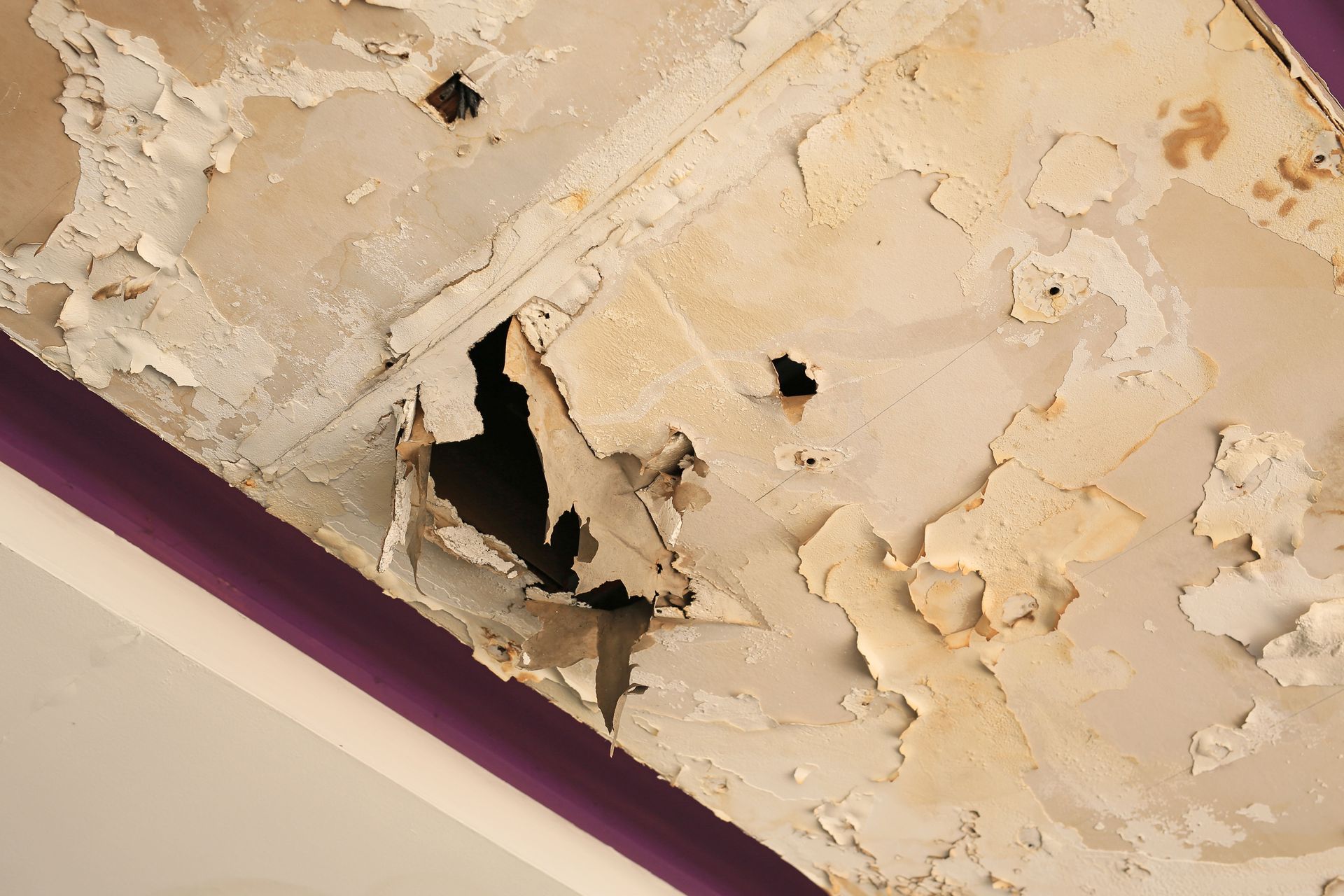
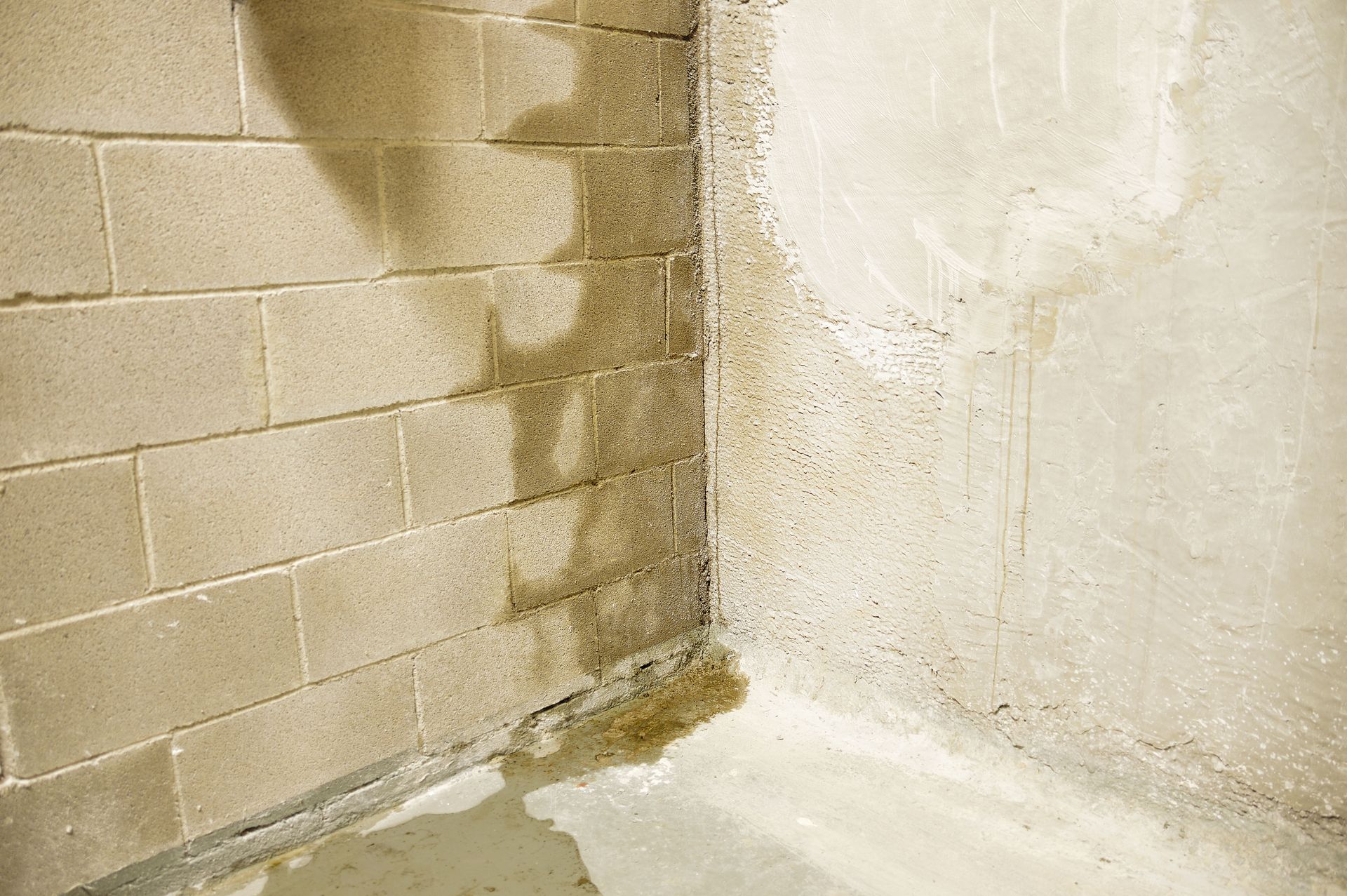
Basement leaks can develop for many different reasons, and identifying the source is the first step toward choosing an effective solution. Water may enter through foundation cracks, basement windows, floor joints, wall seams, or areas surrounding pipes and utility lines. Some leaks appear only during heavy rain, while others can occur whenever groundwater pressure builds around the foundation. Homeowners may also notice damp spots, musty odors, peeling paint, or standing water after a storm. Professional basement waterproofing contractors can inspect the affected areas to determine how and where moisture is entering. Finding the actual source is important because simply cleaning up visible water may not prevent another leak. A professional evaluation can also reveal developing problems that are not yet causing significant damage. Understanding the different types of basement leaks can help homeowners recognize warning signs and respond before a small issue becomes more disruptive.
Identifying Foundation Wall Cracks
Foundation wall cracks are among the most common places for water to enter a basement. Small cracks can develop as concrete naturally settles, while larger openings may result from structural movement or pressure against the foundation. Water can move through these openings when soil around the home becomes saturated. Even a narrow crack can allow moisture to reach the interior under the right conditions. Basement waterproofing contractors can examine the size, location, and characteristics of a crack before determining an appropriate repair method. Depending on the situation, repairs may involve sealing the crack with a specialized material designed to resist water intrusion. Professionals may also investigate whether drainage or foundation conditions are contributing to repeated moisture problems. Addressing cracks early can help homeowners reduce the chance of continued water entry and related interior damage.
Repairing Leaking Basement Windows
Basement windows can become another pathway for water when seals deteriorate or exterior drainage is inadequate. Window wells may collect rainwater when they become filled with leaves, soil, or other debris. If the water cannot drain away properly, it may eventually reach the window frame or surrounding foundation. Damaged caulking and worn seals can create additional openings where moisture can enter. Basement waterproofing contractors can inspect the window area, including the well, frame, surrounding wall, and drainage conditions. Depending on the cause, repairs may involve replacing damaged seals, improving drainage, or addressing problems with the window well. Keeping wells clear of debris can also help water move away from vulnerable areas. Regular inspection of basement windows is especially useful before periods of heavy rain or seasonal storms.
Addressing Hydrostatic Pressure
Groundwater can create pressure against foundation walls when soil becomes heavily saturated. This pressure, commonly referred to as hydrostatic pressure, can force water through cracks, joints, and other vulnerable points. Homes with poor exterior drainage may be particularly susceptible when rainwater remains near the foundation. Persistent pressure can also contribute to moisture problems even when there is no obvious structural opening. Basement waterproofing contractors can evaluate drainage conditions and determine whether water is accumulating around the foundation. Interior drainage systems may sometimes be used to collect water that reaches the basement and direct it toward an appropriate discharge point. Exterior solutions can also help reduce the amount of water reaching the foundation in the first place. Controlling water around the home can therefore be an important part of preventing recurring basement leaks.
Improving Poor Exterior Drainage
The way rainwater moves around a property can have a major effect on basement moisture. Gutters and downspouts that discharge water too close to the foundation can allow large amounts of water to collect around the home. Soil that slopes toward the foundation can create another pathway for water to move into vulnerable areas. Clogged gutters can make these conditions worse by allowing water to spill directly alongside exterior walls. Basement waterproofing contractors may evaluate gutters, downspouts, grading, and other exterior drainage features when investigating a leak. Redirecting downspouts farther from the foundation can sometimes reduce the amount of water reaching the surrounding soil. Correcting grading issues may also encourage rainwater to move away from the structure rather than toward it. Exterior drainage improvements can complement other waterproofing measures by addressing water before it reaches the foundation.
Sealing Basement Floor Joints
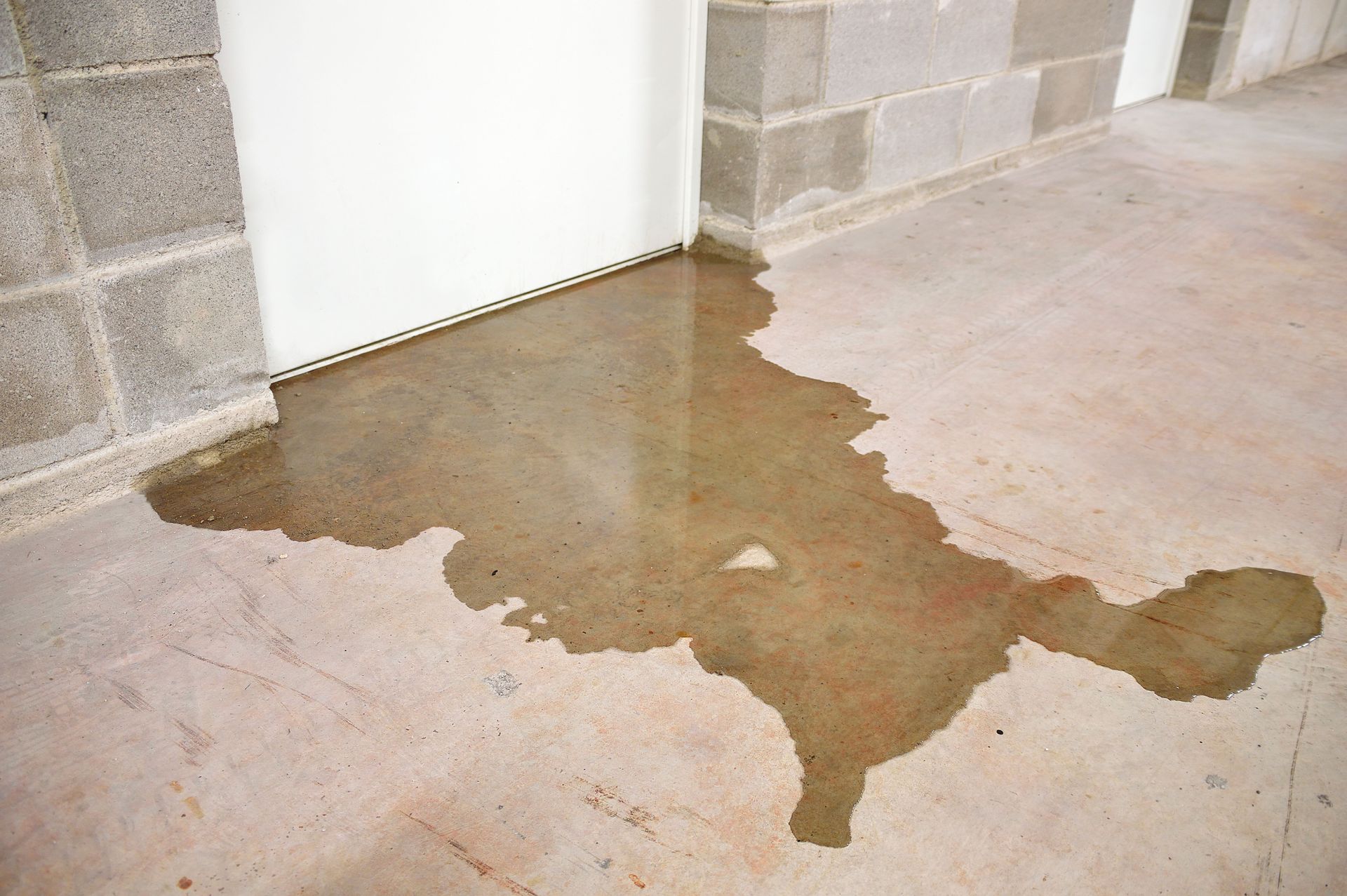
Water does not always enter through the middle of a foundation wall, because floor-to-wall joints can also become vulnerable areas. These joints occur where different portions of the foundation meet and may allow moisture to seep through under certain conditions. Homeowners may notice water collecting along the edges of the basement floor after significant rainfall. The problem can be particularly frustrating because the source may not be obvious from inside the room. Basement waterproofing contractors can inspect the perimeter of the floor and determine whether water is entering through these joints. Depending on the circumstances, professionals may use specialized drainage or sealing methods to manage the moisture. Addressing the joint alone may not solve the problem if groundwater pressure remains high around the foundation. A complete evaluation can help determine whether the joint is the primary source or simply one part of a larger drainage issue.
Managing Plumbing-Related Leaks
Not every basement water problem comes from outside the foundation. Plumbing leaks can develop around water heaters, washing machines, pipes, drains, and other fixtures located in basement areas. A leaking pipe may release water slowly enough that the problem goes unnoticed until flooring, walls, or stored belongings become damp. Sudden plumbing failures can create much larger amounts of water in a short period. Basement waterproofing contractors can help distinguish between groundwater intrusion and moisture caused by plumbing problems during an inspection. Homeowners should have plumbing-related issues addressed by an appropriate professional as soon as they are discovered. Turning off an accessible water supply can sometimes limit damage while repairs are being arranged. Understanding the source of the water is essential because waterproofing measures will not correct a leak caused by a failed plumbing component.
Preventing Mold After Water Intrusion
Moisture can create conditions that allow mold to develop on certain materials inside a basement. Wet drywall, carpeting, wood, and other porous surfaces can become especially vulnerable when they remain damp. According to This Old House, mold may begin growing within 24 to 48 hours after a basement becomes flooded, making prompt drying an important part of the response. Removing standing water and increasing air circulation can help reduce lingering moisture after an incident. Basement waterproofing contractors can address the conditions that allowed water to enter while homeowners focus on drying and restoring affected areas. Heavily damaged materials may require removal if they cannot be adequately dried or cleaned. Homeowners should also investigate recurring moisture instead of treating mold as an isolated issue. Preventing future water entry can help reduce the likelihood of repeated moisture-related problems.
Installing Interior Drainage Solutions
Some basement leaks require a system designed to collect and redirect water that reaches the foundation. Interior drainage systems can provide a controlled pathway for water to move toward a sump pump or another appropriate discharge point. These systems can be particularly useful when groundwater pressure makes it difficult to prevent every drop of water from reaching the foundation. Basement waterproofing contractors can assess the basement layout and determine where drainage components should be positioned. A properly designed system can help manage water along vulnerable sections of the basement perimeter. Sump pumps may also play an important role by removing collected water before it can accumulate on the basement floor. Backup measures can provide additional protection in situations where a primary pump stops operating. The right drainage approach depends on the home's construction, water conditions, and the specific source of the moisture.
From foundation cracks and drainage concerns to recurring moisture and water intrusion, each situation requires careful evaluation. The right solution depends on where the water originates and how it is reaching the basement. Homeowners do not have to wait until a major flood occurs before addressing warning signs. Taking action when moisture first appears can make it easier to protect walls, floors, belongings, and other interior materials. Professional waterproofing can also provide homeowners with a clearer understanding of how to maintain a drier basement over time. Contact H & R Waterproofing, LLC today to discuss your basement concerns and find a practical approach to protecting your home from unwanted water.