October 22, 2026
A dry basement contributes to a healthier, more comfortable home while helping protect the foundation and the belongings stored below ground. Unfortunately, water intrusion can develop gradually, making it easy for homeowners to overlook early warning signs until the damage becomes more noticeable. Understanding where moisture comes from, how to recognize potential problems, and which solutions address the underlying causes can help homeowners make informed decisions. Effective basement waterproofing begins with identifying the source of the moisture rather than simply covering visible stains. With proper planning and professional guidance, homeowners can protect their property and make better use of their basement.
Recognize the Warning Signs of Moisture
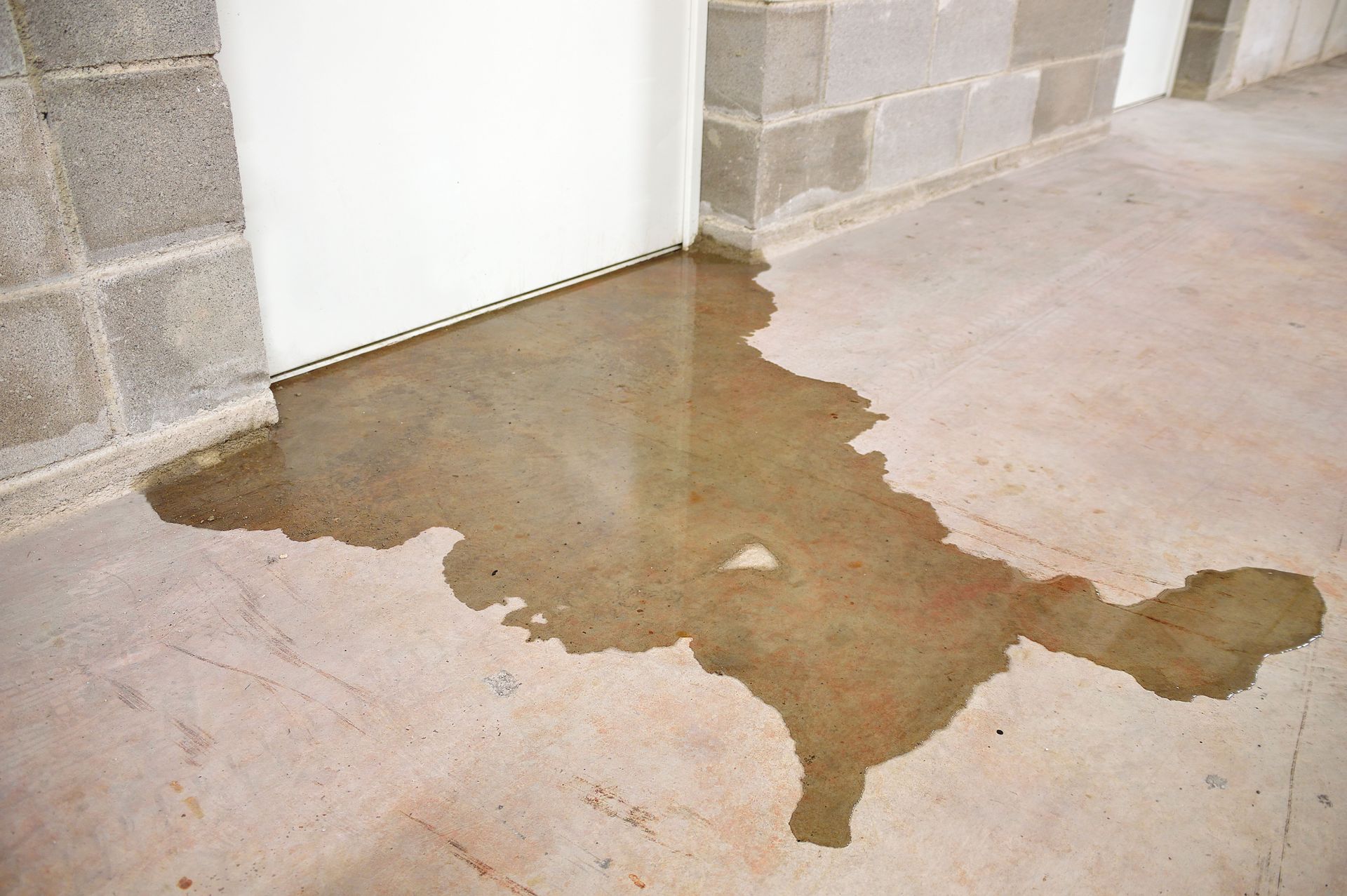
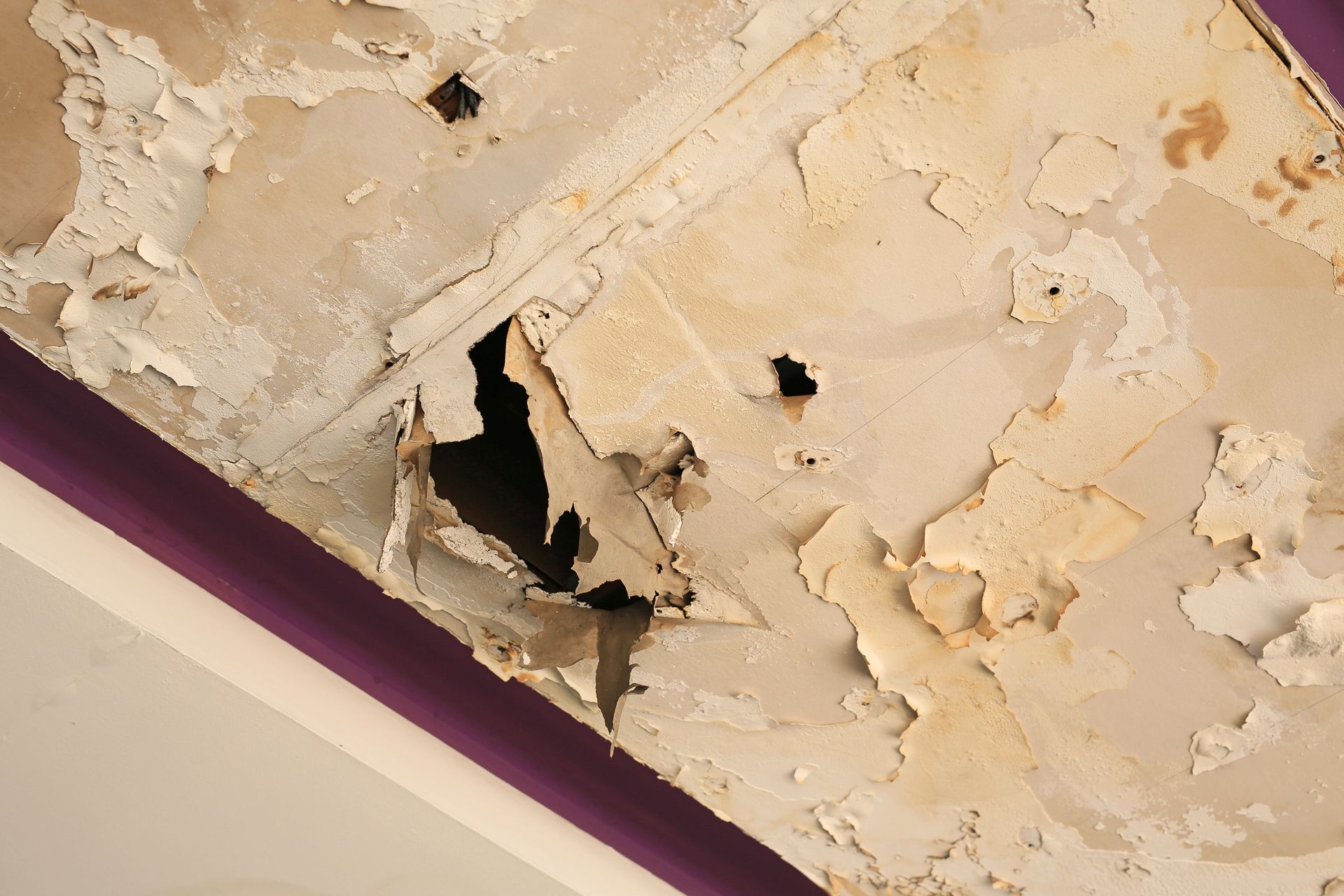
Water problems do not always begin with obvious flooding. Homeowners may first notice musty odors, damp patches on walls, peeling paint, or discoloration near the floor. Condensation on pipes and windows can also indicate excessive humidity. Although individual symptoms may have different causes, recurring moisture deserves attention because it can damage building materials and create conditions that encourage mold growth.
Other warning signs include white, powdery deposits on masonry, deteriorating concrete, warped flooring, and water stains that appear after heavy rainfall. These issues may suggest that moisture is moving through the foundation or entering through vulnerable areas. Monitoring when and where the symptoms occur can help narrow down the cause. Photographing affected areas and noting changes after storms can also provide useful information when discussing the problem with a waterproofing professional.
Identify the Sources of Water Intrusion
Understanding how water reaches the basement is essential for choosing an effective solution. Rainwater may collect around the foundation when the surrounding soil slopes toward the home or drainage systems fail to carry water away. Clogged gutters, poorly positioned downspouts, and saturated landscaping can increase the amount of moisture near foundation walls. Addressing these exterior conditions may reduce the pressure that pushes water toward the basement.
Water can also enter through foundation cracks, gaps around utility penetrations, and joints where walls meet the floor. In some homes, groundwater pressure contributes to seepage through porous concrete or masonry. High indoor humidity can create a separate problem when warm, moist air encounters cool basement surfaces and condenses. Because these issues require different treatments, homeowners should avoid assuming that every damp basement needs the same repair. A careful assessment helps distinguish exterior drainage problems from structural openings and humidity concerns.
Improve Exterior Drainage Around the Home
Managing rainwater outside the home is often an important part of long-term moisture prevention. Gutters should be kept clear of leaves and debris so water can flow freely toward the downspouts. Downspouts should discharge water away from the foundation rather than allowing it to pool beside the house. Homeowners should also inspect gutter connections for leaks that could repeatedly saturate the soil near basement walls.
The landscape surrounding the foundation matters as well. Soil should generally slope away from the house so rainfall moves toward suitable drainage areas instead of collecting against the structure. Low spots, settled soil, and poorly directed runoff may need correction. Depending on the property, a professional may recommend additional drainage improvements to manage persistent water accumulation. These exterior measures can complement basement waterproofing by reducing the amount of water that reaches the foundation in the first place.
Homeowners should also consider how driveways, patios, garden beds, and other hard surfaces affect runoff. Changes to these areas can redirect water toward vulnerable sections of the foundation, especially when surfaces settle or drainage paths become blocked. Reviewing the entire property helps identify contributing conditions that may otherwise be missed. Exterior maintenance is not always enough to resolve an established water problem, but it can play an important role in preventing recurring moisture intrusion.
Choose Appropriate Waterproofing Solutions
The right waterproofing method depends on the source of the moisture, the basement's construction, and the severity of the problem. Exterior waterproofing may involve excavating soil beside foundation walls, repairing damaged areas, and applying suitable protective membranes. Drainage components may also be installed to direct water away from the structure. Although this work can be extensive, it may be appropriate when water is entering through the outside of the foundation.
Interior solutions address water after it reaches the basement or help manage moisture moving through the structure. Depending on the circumstances, these measures may include interior drainage channels, sump pumps, crack repairs, vapor barriers, or humidity-control equipment. A sump pump can collect and discharge groundwater that would otherwise accumulate, while a dehumidifier helps control moisture in the indoor air. These options serve different purposes, so selecting a system should follow an assessment of the underlying conditions rather than a one-size-fits-all recommendation.
Homeowners should also understand the difference between waterproofing and simply sealing a visible crack. Sealants may be appropriate for certain localized problems, but they will not necessarily correct groundwater pressure, inadequate drainage, or continuing structural movement. A lasting solution addresses the conditions responsible for the intrusion.
Maintain Indoor Conditions and Structural Health
Controlling humidity is an important part of keeping a basement dry after water intrusion problems have been addressed. Proper ventilation, suitable dehumidification, and attention to plumbing leaks can help maintain more comfortable conditions. Homeowners should avoid drying wet laundry in poorly ventilated areas without managing the added moisture
Regular inspections can reveal developing problems before they become more disruptive. Check foundation walls, floor joints, windows, and utility entry points for new stains or signs of seepage. Inspect the sump pump, if present, according to the manufacturer's instructions, and make sure its discharge route remains clear. If the basement contains finished walls or flooring, watch for changes in odor, softness, or discoloration that could indicate hidden moisture.
It is also important to distinguish ordinary moisture issues from signs of potentially serious structural damage. Widening foundation cracks, significant wall movement, or uneven floors may require evaluation by a qualified structural professional. Homeowners should not assume that applying a coating will resolve these conditions.
Plan the Investment and Work With Professionals
Waterproofing projects vary in cost depending on the source of the problem, the accessibility of the foundation, the materials required, and the extent of the repairs. Homeowners should request a detailed assessment and understand what each proposed service is intended to accomplish. Comparing written estimates can clarify differences in scope, warranties, preparation, and follow-up requirements.
Preventing moisture damage can also help preserve the usefulness of the basement. According to HomeGuide, basement remodeling projects commonly return roughly 65% to 70% of their cost through increased home value. While results vary with location, market conditions, and project quality, this estimate illustrates why homeowners may consider the condition of their basement when evaluating property improvements.
Before hiring a contractor, ask about relevant experience, licensing requirements, insurance, warranties, and the methods proposed for the specific property. Request an explanation of how the work will address the identified moisture source and what maintenance may be needed afterward.
A dry basement starts with understanding the problem and choosing repairs that address its cause. From improving drainage to controlling humidity and evaluating foundation concerns, each step contributes to protecting the home against recurring moisture. Do not let dampness threaten your property's comfort or condition. Contact H & R Waterproofing, LLC to discuss your concerns, explore appropriate solutions, and take action toward a drier, better-protected basement.