July 22, 2026
Foundation waterproofing is one of the most important investments homeowners can make to protect the long-term stability of their property. Water intrusion may seem minor at first, but even small amounts of moisture can gradually weaken concrete, create cracks, and contribute to costly structural problems over time. Professional waterproofing contractors use proven methods to defend foundations against these risks while helping homeowners avoid expensive repairs in the future. Their work extends beyond simply keeping water out; it helps preserve the strength, value, and safety of an entire home. This article explores the many ways these professionals protect foundations through inspections, drainage solutions, advanced materials, and ongoing maintenance strategies for lasting protection.
1. Why Foundation Waterproofing Matters
Every home depends on a stable foundation to support walls, floors, roofing systems, and the overall structure. When moisture repeatedly enters foundation materials, it slowly weakens concrete and masonry while encouraging cracks to grow larger over time. Seasonal temperature changes, expanding soils, and hydrostatic pressure only increase these risks. Addressing moisture concerns early helps preserve structural stability while minimizing future repair expenses.
Professional waterproofing also contributes to a healthier living environment. Keeping moisture outside reduces humidity inside basements and crawl spaces, limiting conditions that encourage mold growth and unpleasant odors. Homeowners who invest in preventative protection often experience fewer maintenance concerns and greater confidence during periods of heavy rainfall. It also helps maintain consistent indoor comfort throughout every season. Experienced waterproofing contractors can also identify early warning signs that homeowners may overlook, helping prevent minor moisture concerns from developing into major structural issues.
2. Preventing Water Damage Before It Starts
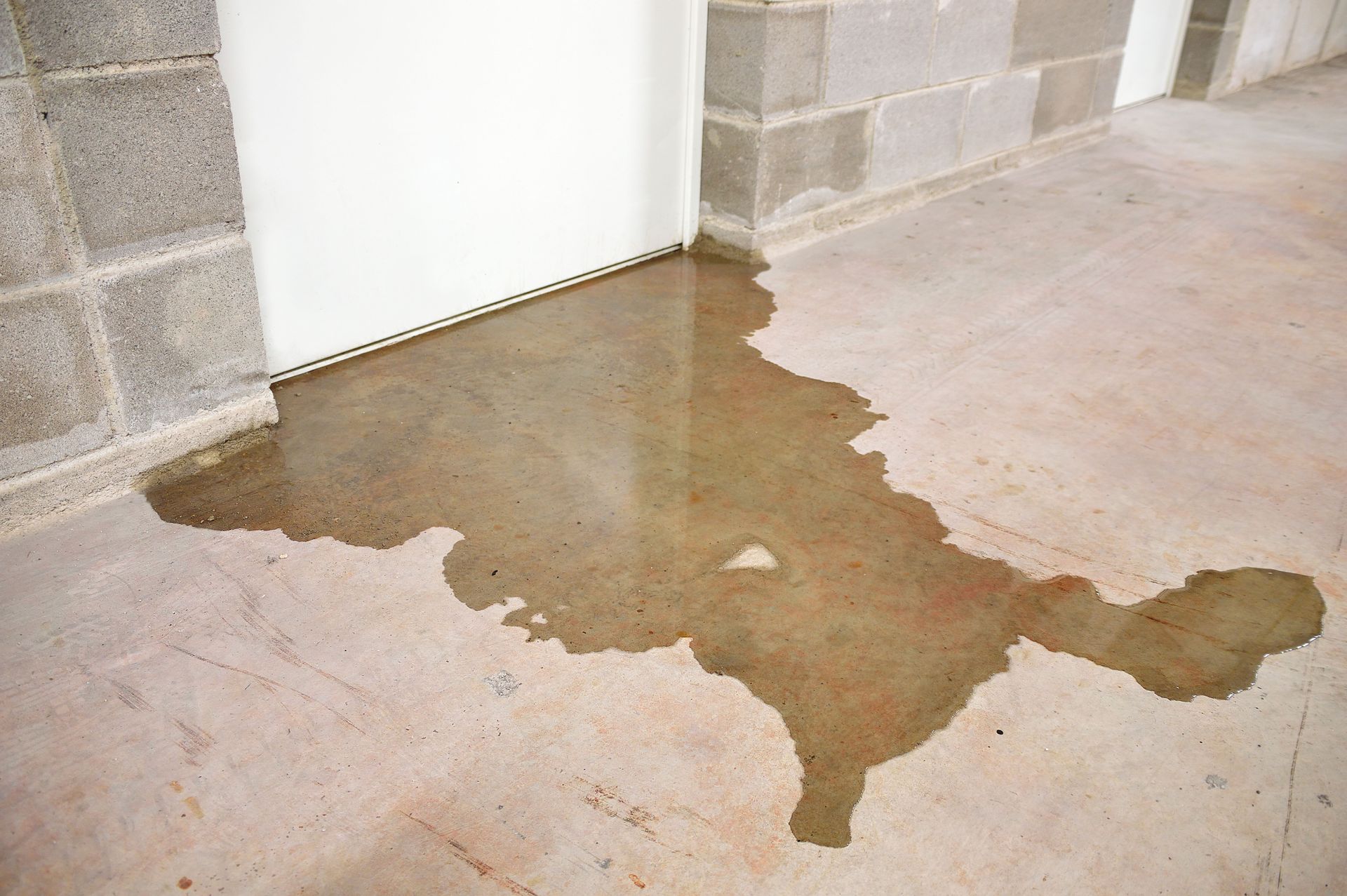
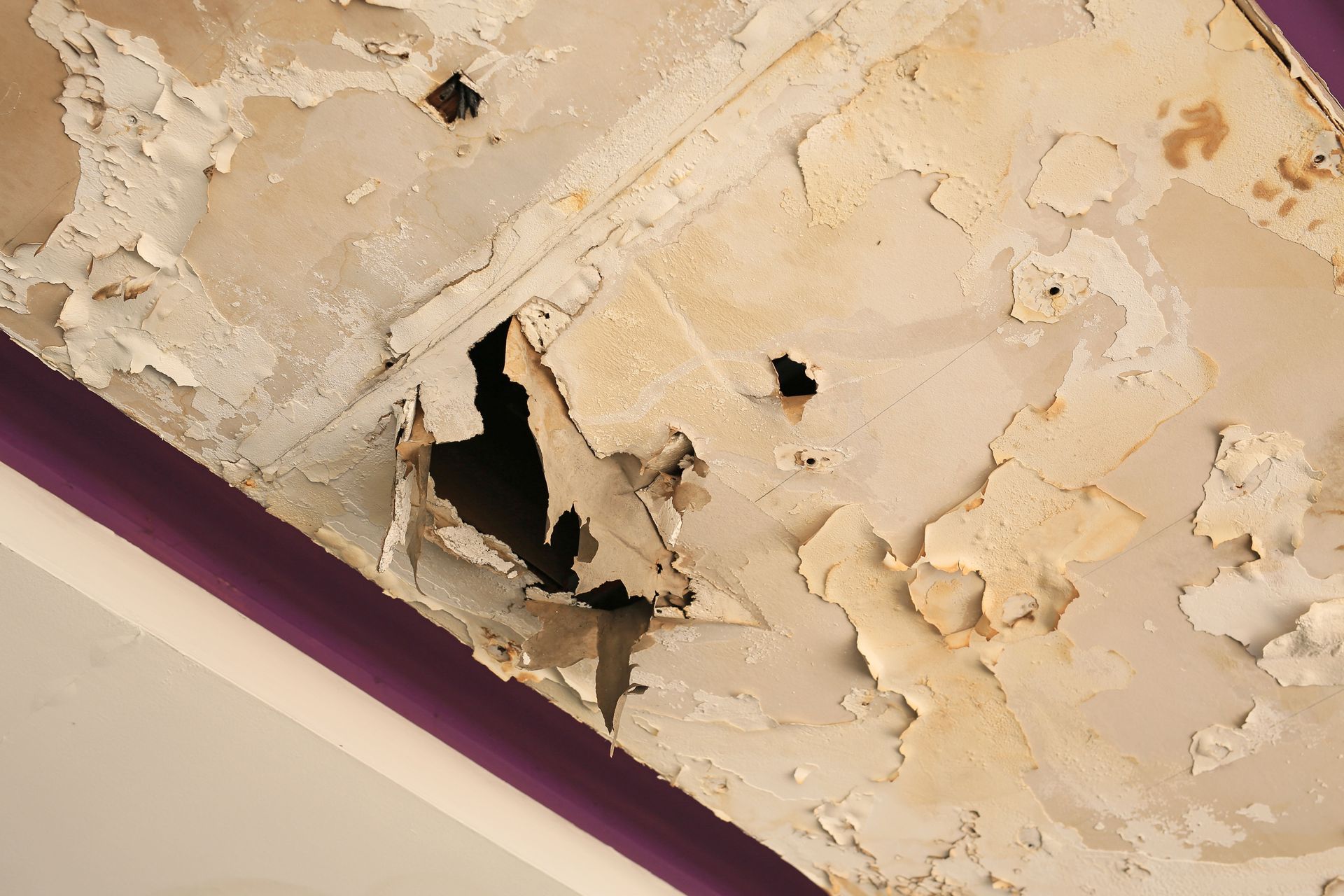
Water damage remains one of the leading causes of foundation deterioration. As groundwater accumulates around exterior walls, it places continuous pressure against concrete surfaces. Even tiny openings can eventually allow water to seep inside, damaging insulation, drywall, flooring, and stored belongings. Rather than waiting until leaks become visible, professional waterproofing focuses on preventing moisture from entering in the first place.
This proactive approach reduces emergency repairs while preserving the overall condition of the home. Preventative waterproofing is generally more affordable than correcting widespread structural damage after years of unnoticed moisture intrusion. Early intervention also minimizes disruptions that often accompany major foundation repairs while protecting valuable personal belongings.
3. Strengthening Structural Stability
Long-term moisture exposure gradually weakens concrete, mortar joints, and reinforcing materials. As foundations shift or settle unevenly, cracks can widen and compromise the building's structural integrity. Proper waterproofing creates an effective barrier that helps protect these critical components from excessive moisture exposure.
Experienced waterproofing contractors evaluate each property's construction, drainage patterns, and surrounding landscape before selecting the appropriate waterproofing system. Their customized recommendations help reinforce vulnerable areas while ensuring the entire foundation receives comprehensive protection rather than temporary solutions.
4. Extending the Life of the Foundation
Every foundation naturally experiences wear as years pass, but excessive moisture significantly accelerates deterioration. Freeze-thaw cycles, soil movement, and constant water exposure can slowly reduce the lifespan of concrete structures if left unchecked. Waterproofing systems slow this process by reducing direct contact between moisture and foundation materials.
Protecting the foundation today often translates into decades of additional structural reliability. Homeowners who maintain dry foundation walls frequently avoid many of the expensive restoration projects associated with aging buildings. This long-term preservation also contributes to stronger resale value when it comes time to sell the property. Working with qualified waterproofing contractors helps ensure protective systems continue performing effectively for many years with proper maintenance.
5. Reducing Mold and Indoor Air Quality Concerns
Foundation leaks do more than damage concrete—they create damp conditions that encourage mold, mildew, and bacteria to thrive. Basements and crawl spaces are especially vulnerable because limited airflow allows moisture to linger for extended periods. Once mold develops, spores may spread into living areas through HVAC systems or natural air circulation.
Keeping moisture under control helps maintain cleaner indoor air while protecting occupants from potential respiratory irritants. A consistently dry basement also creates more usable storage space and reduces unpleasant musty odors that commonly develop in damp environments.
6. Lowering Long-Term Repair Expenses
Investing in preventative waterproofing often saves homeowners substantial amounts over the lifetime of a property. Foundation repairs frequently involve excavation, structural reinforcement, crack repairs, interior restoration, and landscaping replacement. These combined costs can quickly exceed the price of preventative waterproofing measures.
According to This Old House, homeowners should often budget an additional $1,000 to $1,200 for unexpected expenses during foundation repair projects. Preventing moisture problems before they worsen helps avoid many of these surprise costs while preserving the home's structural integrity.
7. Comprehensive Site Assessments
Before recommending any waterproofing solution, professionals perform detailed site inspections to understand how water interacts with the property. Every home presents unique challenges based on grading, foundation type, soil composition, drainage systems, and regional weather conditions. A thorough evaluation ensures that every recommendation addresses the property's specific needs.
Rather than relying on a one-size-fits-all solution, inspections provide valuable information that guides material selection, installation methods, and long-term maintenance planning. This careful preparation greatly improves the effectiveness of the completed waterproofing system. By carefully analyzing site conditions, waterproofing contractors can recommend solutions that address both immediate concerns and long-term moisture management.
8. Identifying Vulnerable Entry Points
Water rarely enters through a single obvious opening. Instead, it often follows the path of least resistance through expansion joints, utility penetrations, window wells, wall-floor joints, and small foundation cracks. During inspections, professionals carefully examine each of these locations to determine where moisture is most likely to enter.
Finding these weak points before installation allows waterproofing systems to provide complete coverage rather than addressing only visible damage. Early identification also reduces the likelihood that hidden leaks will continue causing deterioration behind finished walls or beneath flooring.
9. Evaluating Soil and Drainage Conditions
The soil surrounding a home significantly influences foundation performance. Clay-heavy soils absorb large amounts of water and expand, creating additional pressure against foundation walls. Sandy soils drain more efficiently but may shift more easily if erosion occurs. Understanding these characteristics helps determine which waterproofing methods will perform best over time.
Professionals also evaluate how rainwater flows across the property during storms. Poor grading, clogged drainage systems, or improperly positioned downspouts often contribute to moisture accumulation around the foundation. Correcting these issues complements waterproofing systems and improves overall performance. Knowledgeable waterproofing contractors understand how local soil conditions influence drainage performance and foundation protection strategies.
10. Using Advanced Inspection Technology
Modern waterproofing projects benefit from technology that allows contractors to identify hidden moisture before visible damage appears. Thermal imaging cameras, moisture meters, and digital mapping tools provide accurate information about damp areas behind walls or beneath flooring. These tools help professionals detect problems early without unnecessary demolition, making inspections more efficient and less invasive for homeowners.
Accurate data also improves repair planning. Instead of relying on assumptions, waterproofing contractors can pinpoint the exact location of moisture intrusion and recommend solutions based on measurable conditions. This precision reduces unnecessary work while helping ensure the waterproofing system addresses every vulnerable area.
Protecting a home's foundation begins with preventing moisture from gaining access to the structure before serious damage occurs. From conducting thorough inspections and evaluating drainage conditions to identifying vulnerable entry points and applying long-lasting waterproofing systems, waterproofing contractors provide solutions that help safeguard homes for years to come. Their expertise reduces the risk of structural deterioration, mold growth, and costly repairs while improving the overall durability and value of the property. By investing in professional foundation waterproofing and maintaining the system over time, homeowners can enjoy greater peace of mind knowing their foundation is better prepared to withstand changing weather conditions and long-term moisture exposure. Contact H&R Waterproofing, LLC today and learn more about our waterproofing services.